For a large U.S. enterprise, the useful question is not whether a web application costs $100,000 or $500,000. It is what the organization must fund to put a secure, integrated, supportable application into production without creating another modernization problem two years later.
Public cost guides establish a broad baseline. SaM Solutions places complex web applications at $200,000 to $500,000 or more in 2026, while another U.S. market guide puts enterprise applications around $250,000 to $500,000+. Those ranges are directionally useful, but they describe application complexity better than enterprise delivery reality. A platform connected to identity systems, ERP, CRM, data services, payments, internal APIs, and compliance controls can move beyond those figures quickly.
For engineering leaders at companies with thousands of employees, a practical budget discussion therefore starts with architecture, integration risk, and operating requirements, not screen count.
What should a U.S. enterprise realistically budget for a web application?
A $200,000 to $500,000 budget can still cover a contained enterprise application. Examples include a departmental workflow platform, customer portal, internal operations tool, or modernization of a bounded web experience. The scope must remain controlled, the number of critical integrations must stay limited, and the organization should already have usable platform capabilities such as identity, CI/CD, observability, and cloud landing zones.
Once the application becomes business-critical, the budget profile changes. Multi-role access, high availability, legacy system integration, data migration, audit trails, accessibility, disaster recovery, performance engineering, and security testing add work that does not appear in a prototype.
Clutch’s August 2026 pricing data places U.S. custom software companies broadly around $50 to $99 per hour, while its U.S. market guidance notes that higher-end consultancies in major technology markets can reach roughly $150 to $250 per hour. The U.S. Bureau of Labor Statistics also reported mean annual pay of $148,100 for software developers in May 2025. That wage figure is not a consulting rate, but it illustrates why experienced U.S. engineering capacity becomes expensive after benefits, management, tooling, and delivery overhead enter the equation.
For large enterprises, $500,000 should often serve as a decision point rather than an automatic ceiling. A multi-team, multi-quarter program can move into seven figures before the first major release.
Which technical decisions push enterprise web application costs higher?
Four technical decisions usually have more budget impact than the choice between React, Angular, or another mainstream framework.
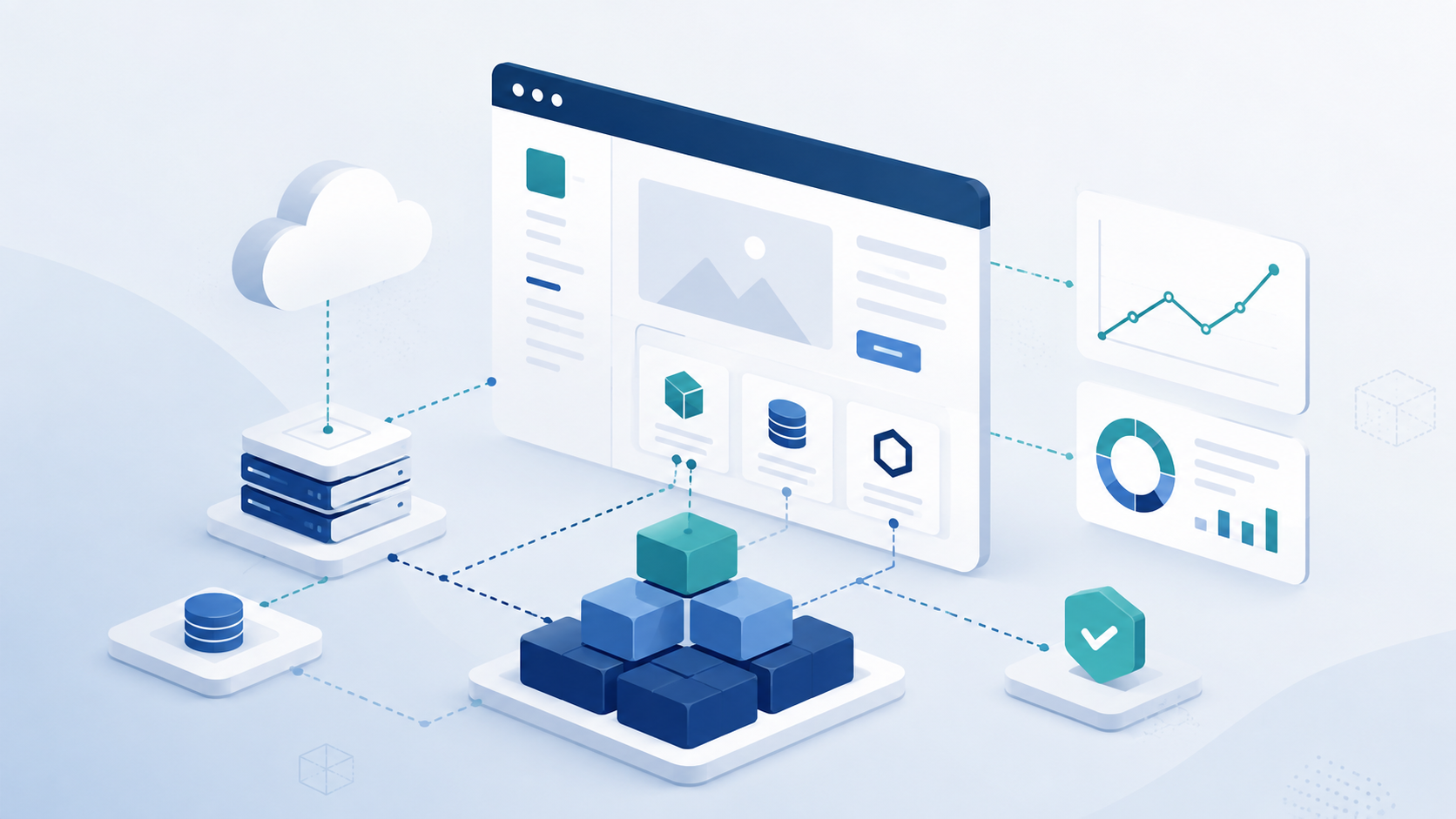
- Integration architecture. Enterprise applications rarely operate alone. Connecting Salesforce, SAP, Workday, payment services, data warehouses, identity providers, and internal APIs introduces contract testing, error handling, retries, reconciliation, security reviews, and dependency coordination. Legacy integrations become particularly expensive when documentation remains incomplete or upstream systems cannot support modern API-first or event-driven patterns. Engineering leaders should price major integrations as independent workstreams rather than small backend tasks.
- Security, identity, and compliance. Single sign-on is only the starting point. Large organizations may require role-based and attribute-based access control, privileged workflows, encryption, secrets management, security logging, vulnerability scanning, penetration testing, evidence collection, and data residency controls. Regulated organizations also need engineers to translate policy requirements into technical controls. These requirements increase architecture, QA, and DevSecOps effort, but postponing them usually creates a more expensive remediation cycle before production.
- Scale, reliability, and platform engineering. A web application serving a few thousand predictable users has a different cost structure from one supporting customers, employees, and partners across regions. High availability, autoscaling, caching, queues, observability, SRE practices, backup strategies, and recovery objectives require deliberate engineering. Performance testing must model peak conditions instead of average traffic. Teams also need production telemetry that can distinguish a frontend issue from an API, database, infrastructure, or third-party failure.
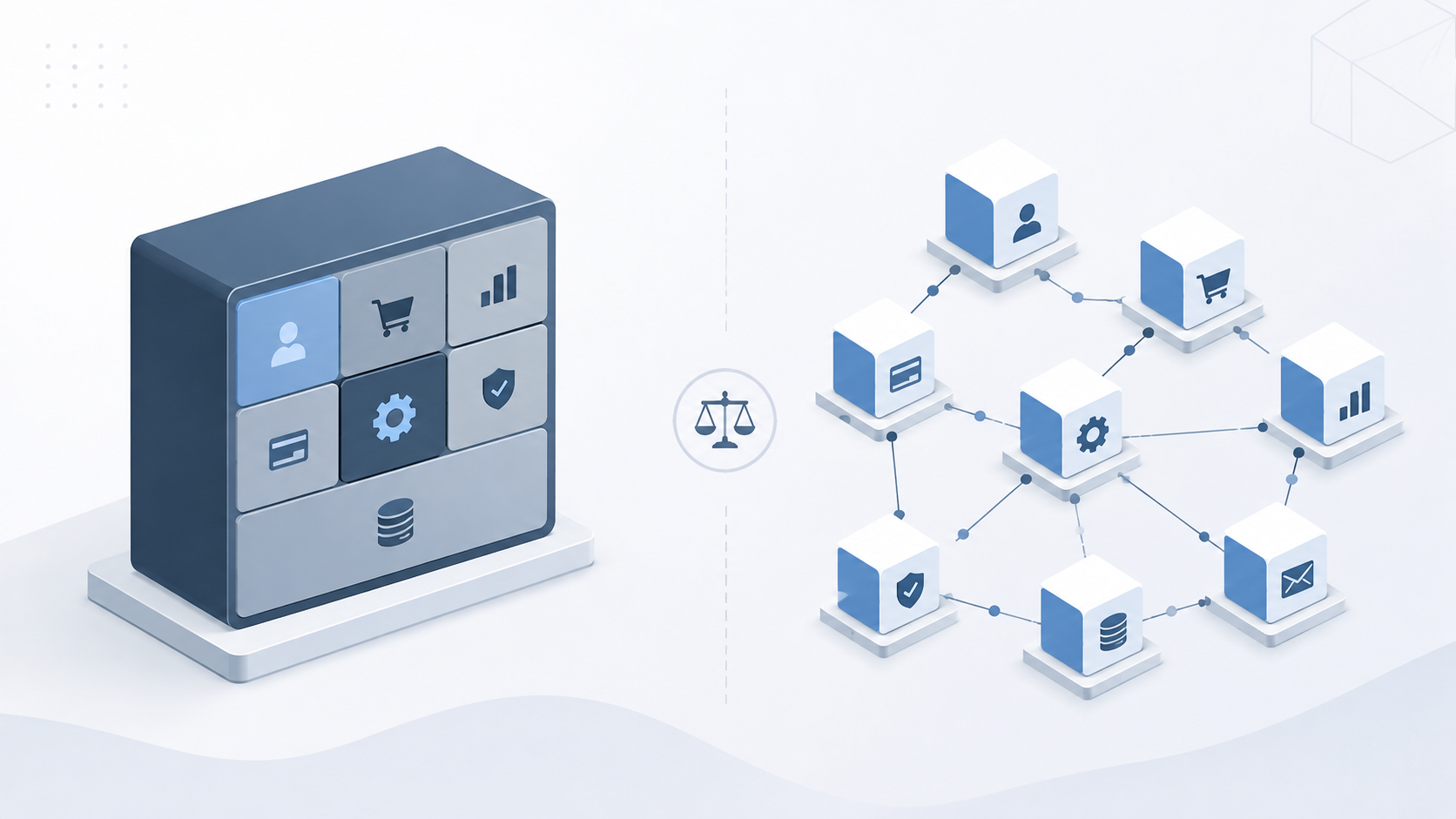
- Modernization and data migration. Replacing an existing application creates two systems to manage during transition. Teams must uncover hidden business rules, map old data models, preserve audit history, run parallel validation, and design rollback paths. The budget often depends less on writing the new application than on proving that it behaves correctly against years or decades of accumulated enterprise logic.
Why does the initial build price rarely equal the real enterprise cost?
Enterprise procurement often compares proposals on build cost, but the more useful number is the cost to reach stable production and operate the application through its first year.
A proposal can leave out environment setup, observability, security remediation, accessibility testing, performance testing, data cleansing, production support, cloud consumption, third-party licenses, and post-launch defect resolution. Internal teams also spend time on architecture review, security approval, data access, vendor governance, and organizational change. Those hours may not appear on the development partner’s invoice, but they still consume the program budget.
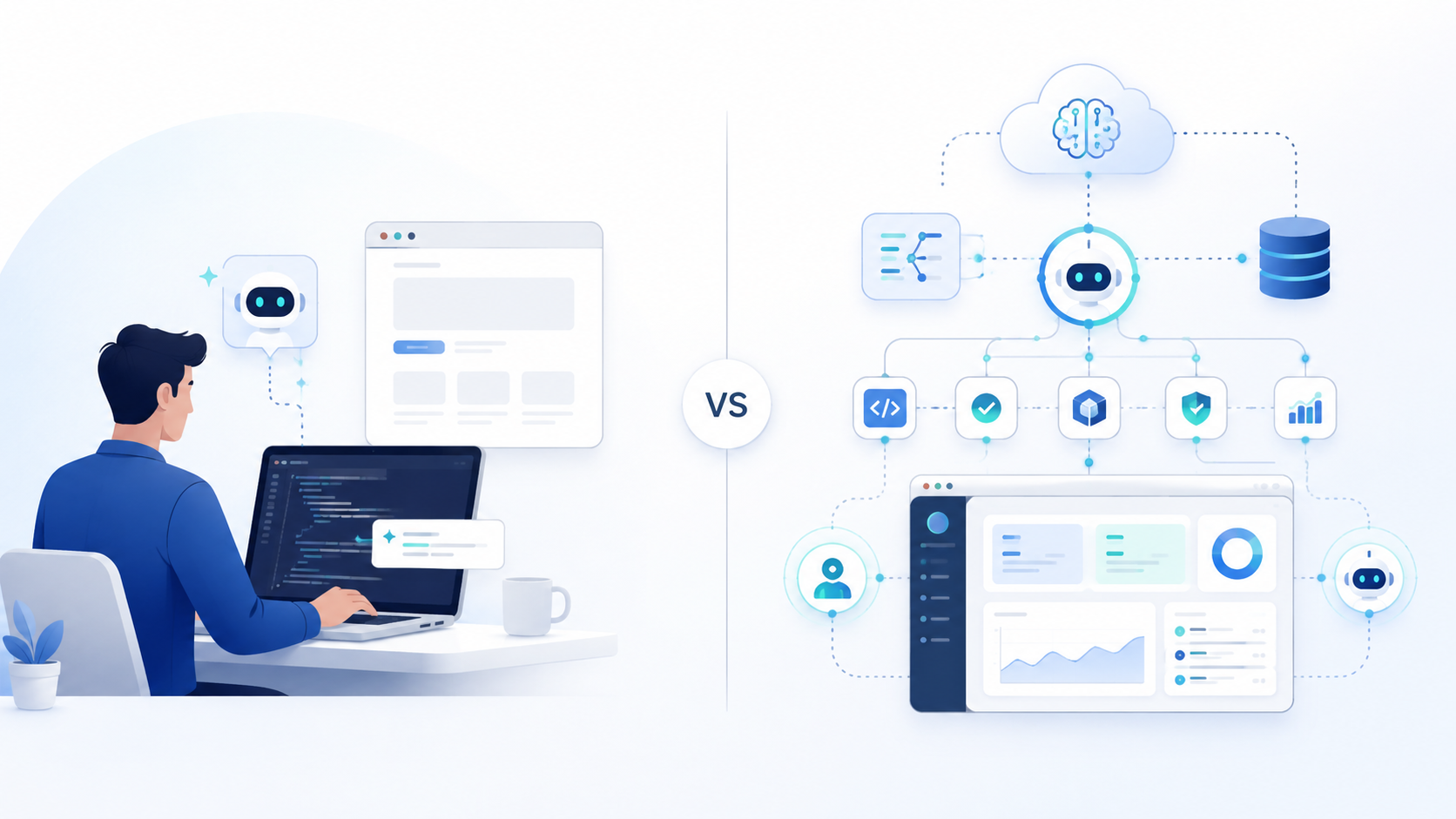
The delivery model changes the economics as well. A fully onshore U.S. team provides close working-hour alignment and can simplify stakeholder access, but it carries a higher labor cost. A blended model can keep product leadership, architecture, and high-collaboration roles close to the business while distributing engineering and QA across lower-cost regions.
The lowest hourly rate, however, does not automatically create the lowest total cost. Rework, slow decisions, weak documentation, brittle architecture, and production instability can eliminate rate savings.
Engineering leaders should therefore compare cost per production outcome: how much the organization spends to deliver a secure capability, meet service levels, transfer knowledge, and sustain release velocity after launch.
Which consulting companies should enterprises evaluate for complex web programs?
The right consulting partner depends on whether the program primarily involves modernization, digital product engineering, or broader enterprise transformation.
Thoughtworks brings technology advisory and engineering capabilities around platforms, products, and application modernization, including modernization programs for complex legacy estates.
Globant operates at global enterprise scale across software engineering and digital transformation. Its 2026 Vercel alliance also expanded its focus on modern web development and modernization of legacy enterprise digital experiences.
GeekyAnts fits into the evaluation from a product-engineering perspective. Its U.S. capabilities cover web engineering, enterprise modernization, product strategy, UX, security, deployment, integrations, and ongoing application support. That model can be relevant when an organization needs hands-on engineering delivery alongside architectural consultation rather than a strategy-only engagement.
The meaningful comparison is not brand size alone. Enterprise buyers need to determine whether a partner can make architecture decisions, work with internal platform teams, navigate security requirements, document the system, transfer knowledge, and remain accountable once production traffic arrives.
How can engineering leaders get a defensible estimate before procurement?
The most reliable enterprise estimate comes after a focused technical discovery phase, not from sending the same feature list to several vendors and comparing totals.
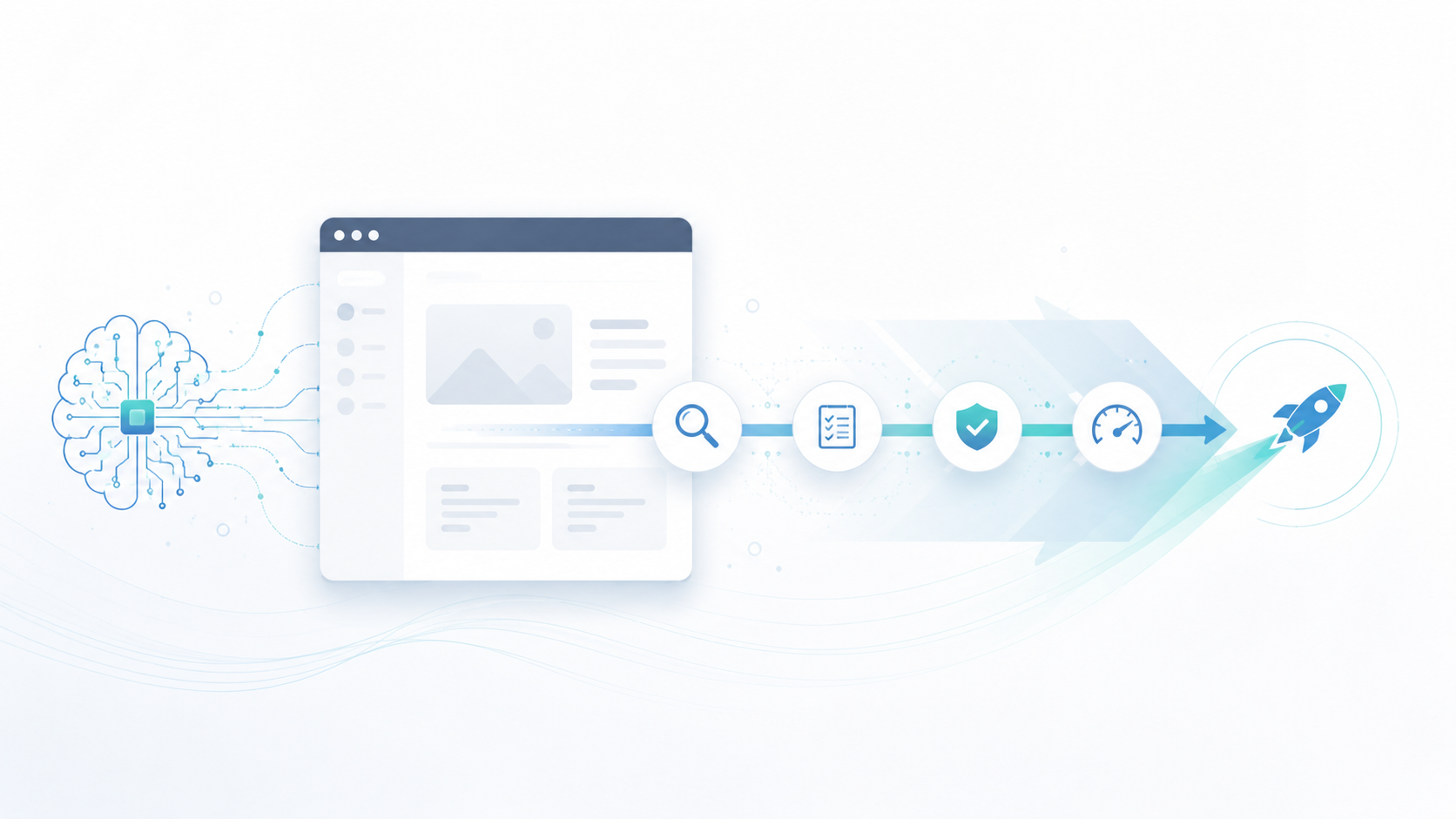
Discovery should identify business-critical journeys, integration dependencies, data ownership, identity boundaries, nonfunctional requirements, regulatory controls, target service levels, and migration constraints. It should also separate capabilities that already exist in the enterprise platform from capabilities the application team must build. That distinction can materially change both the cost and timeline.
A useful output includes a target architecture, delivery slices, proposed team model, dependency map, major assumptions, technical risks, and a cost range explicitly tied to those assumptions. Procurement can then compare proposals against the same engineering reality.
For a VP of Engineering or Head of Technology, that is the real purpose of the cost exercise. The goal is not to force an enterprise application into the lowest initial number. It is to understand which technical decisions consume capital, which dependencies could change the estimate, and what the enterprise will actually own when the project ends.
A focused enterprise web application cost and architecture consultation can pressure-test those assumptions before a larger procurement cycle begins. It gives engineering and finance teams a defensible scope, architecture direction, and investment range before they commit to the full delivery program.