Top 10 Web Performance Optimization Techniques for 2026

A fraction of a second can separate a customer conversion from a user bounce. Modern web users demand instantaneous loading, and search engines like Google directly correlate site speed with higher rankings. This connection between performance and business success is undeniable. Still, the field of web performance is broad and often presents a confusing array…

Read More

Top 12 Latest Trends in Web Development for 2026

The web development field is advancing at an exceptional pace, shaped by progress in AI, distributed architectures, and a renewed emphasis on performance and user experience. For developers, founders, and product managers in the U.S., keeping up with this change is not just an advantage-it's essential for survival. Yesterday's standard practices are rapidly being replaced…

Read More

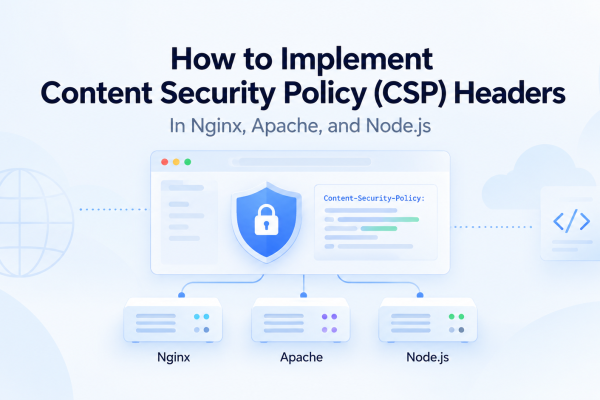
How to Implement Content Security Policy (CSP) Headers in Nginx, Apache, and Node.js

Content Security Policy often enters an enterprise backlog as a security-header task. It rarely stays that simple. A modern enterprise application may load JavaScript from multiple internal domains, analytics platforms, identity providers, CDNs, customer-support tools, payment systems, experimentation platforms, and increasingly AI-enabled services. Add legacy inline scripts and multiple deployment layers, and a CSP that…

Read More

10 AI Business Ideas for Developers in 2026

AI spending is no longer experimental in software buying cycles. For U.S. founders, the practical question is simpler and harder: which AI product solves a painful problem well enough that a customer will pay for it, keep using it, and trust it in production? A lot of articles about ai business ideas stop too early….

Read More
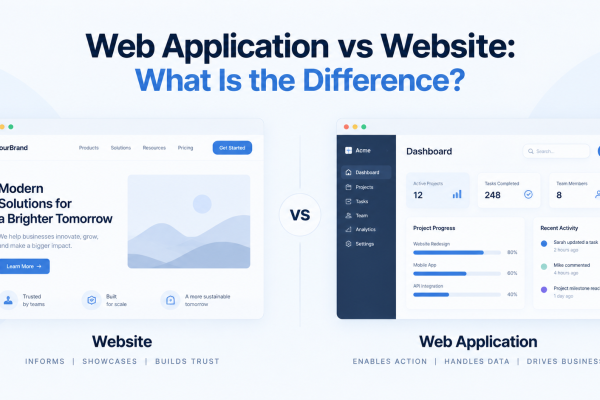
Web Application vs Website: What Is the Difference?

Web Application vs Website: What Is the Difference?

For enterprise technology leaders, the difference between a website and a web application is not just terminology. It affects architecture, security controls, engineering ownership, release processes, operating cost, and the risk attached to every change. The traditional explanation is simple: a website primarily presents information, while a web application lets users perform tasks. That distinction…

Read More