Artificial intelligence is no longer an optional innovation layer inside enterprise software. It is becoming part of the core architecture behind modern web application development. Across North America, enterprises are integrating AI into customer platforms, internal systems, analytics environments, and operational workflows to improve efficiency, automate repetitive tasks, and deliver more intelligent digital experiences. This shift is changing how web applications are built, scaled, and optimized.
For enterprise technology leaders, AI adoption is no longer only about experimentation. It is directly tied to engineering productivity, customer retention, platform scalability, operational efficiency, and long-term digital transformation goals. Enterprises are under pressure to modernize digital ecosystems while reducing delivery timelines and managing rising user expectations around personalization, responsiveness, and seamless digital experiences. According to Gartner and McKinsey industry reports, enterprise AI investments continue to grow rapidly as organizations prioritize intelligent automation, predictive workflows, and AI-assisted decision-making. However, many organizations are also discovering that AI introduces operational complexity that traditional application environments were never designed to handle.
The enterprises moving fastest are no longer treating AI as a feature. They are treating it as infrastructure. This shift is influencing how organizations approach frontend engineering, backend architecture, cloud infrastructure, product design, customer experience, and even platform governance. AI is no longer sitting on top of digital systems. It is increasingly becoming embedded into the systems themselves.
AI Is Redefining How Enterprise Applications Are Built
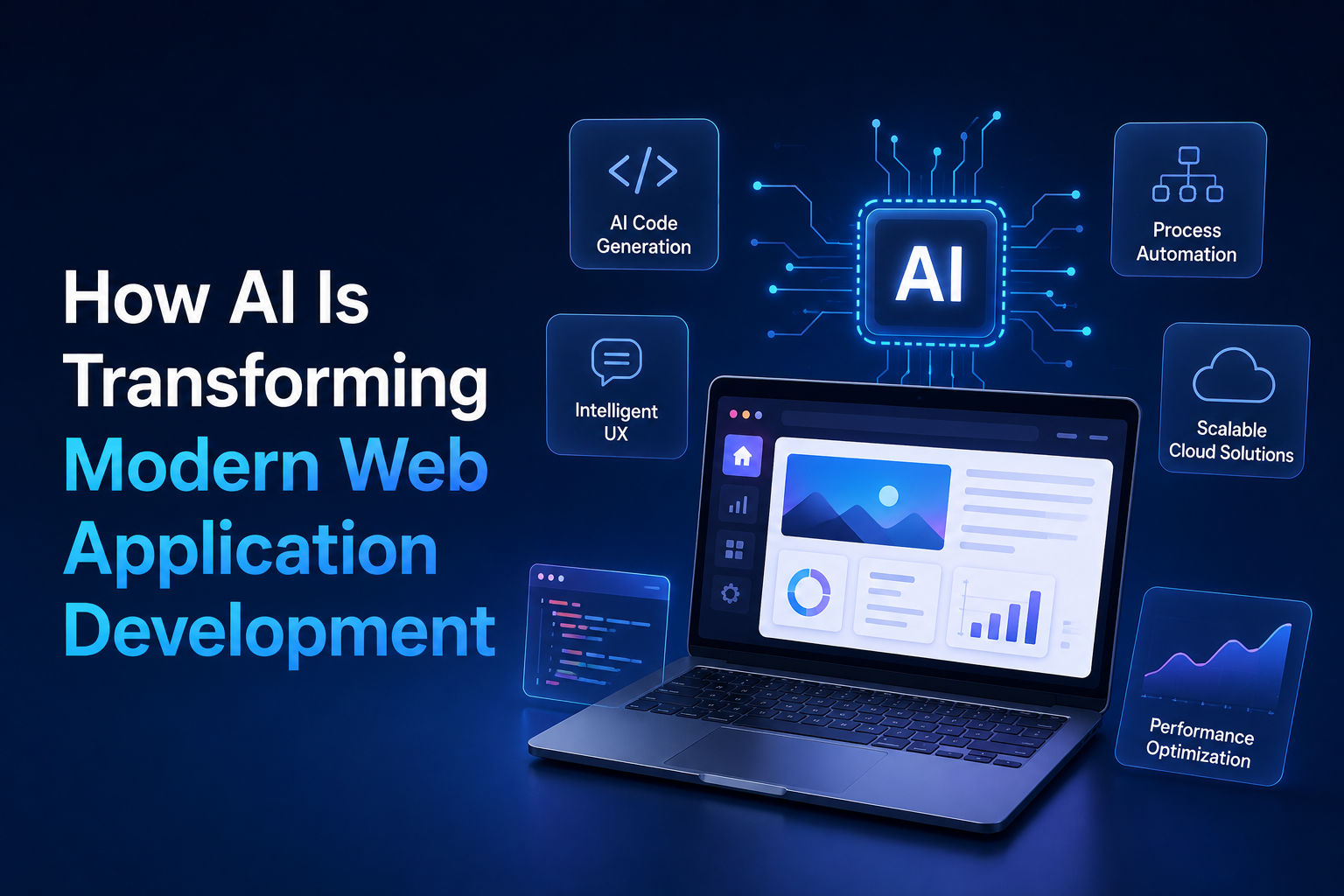
Traditional web development depended heavily on manual engineering processes, fixed workflows, and predictable release cycles. AI is changing those assumptions quickly. Development teams increasingly use AI-assisted coding tools, automated testing systems, and intelligent DevOps workflows to accelerate software delivery and reduce repetitive engineering effort. Generative AI systems can now support faster code generation, automated testing, documentation assistance, predictive debugging, and workflow automation. These capabilities are allowing engineering teams to focus more heavily on architecture, scalability, performance optimization, and user experience improvements rather than repetitive manual processes.
This transformation is also changing expectations around development speed. Enterprises are expected to launch new digital capabilities faster than before while maintaining scalability, compliance, and operational reliability. AI-assisted engineering environments are helping organizations reduce development bottlenecks by simplifying workflows that previously required significant manual effort. In many enterprises, AI tools are already assisting developers in writing reusable code structures, identifying performance vulnerabilities, and improving deployment efficiency.
However, the impact of AI goes beyond engineering productivity. Modern web applications themselves are becoming more adaptive and intelligent. Instead of offering static digital experiences, AI-powered platforms can now personalize dashboards, automate recommendations, improve search experiences, and optimize workflows dynamically based on user behavior and contextual data. Enterprise SaaS platforms increasingly use AI to improve customer onboarding, automate support interactions, generate predictive insights, and streamline operational processes. These capabilities are rapidly becoming expected standards instead of premium differentiators.
This evolution is reshaping product strategy as well. Organizations are moving away from feature-heavy platforms toward systems that reduce friction and simplify decision-making automatically. Users now expect web applications to behave intelligently instead of simply responding to commands. That expectation is heavily influenced by platforms such as ChatGPT, Microsoft Copilot, and Google Gemini, which have normalized conversational and predictive interactions across digital experiences.
Intelligent UX Is Becoming the Competitive Advantage
One of the biggest changes AI has introduced into web development is the rise of intelligent user experience design. Enterprises are realizing that AI alone does not create value unless it improves usability, speed, and workflow efficiency. Many organizations initially overloaded applications with visible AI features that complicated user journeys instead of simplifying them. In several cases, users abandoned AI-powered workflows because interactions felt slow, confusing, or unnecessary.
This has created a major shift in enterprise UX strategy. The most successful AI-powered applications now focus on “invisible AI” where automation improves experiences quietly in the background without overwhelming users with unnecessary interactions. Instead of forcing users to adapt to AI systems, organizations are designing AI experiences that adapt naturally to user behavior.
Enterprises are increasingly prioritizing:
- Personalized workflows without interface clutter.
- Faster decision-making through contextual automation.
- Predictive recommendations based on behavioral data.
- AI-assisted experiences that maintain user control.
- Consistent performance across web and mobile platforms.
This approach is becoming especially important for enterprise platforms managing large user bases across multiple regions and operational environments. AI-driven personalization may improve engagement, but it also increases expectations around speed and consistency. Users quickly lose trust in platforms that feel slow, inaccurate, or unpredictable. This means frontend responsiveness and backend performance are becoming equally important in AI-powered ecosystems.
At the same time, AI-driven UX introduces new technical demands. Intelligent applications require stronger backend orchestration, real-time analytics infrastructure, scalable APIs, and low-latency cloud systems. Small performance issues can quickly reduce user trust, especially in customer-facing enterprise platforms. Organizations are increasingly investing in cloud-native architectures and observability systems to ensure AI-driven experiences remain stable under growing workloads.
Across the enterprise technology landscape, engineering consultancies and digital modernization firms such as Thoughtworks, Globant, and GeekyAnts are increasingly contributing to the shift toward scalable AI-powered web platforms, helping organizations improve frontend performance, intelligent workflows, and long-term platform adaptability.
Infrastructure Complexity Is Growing Faster Than Expected
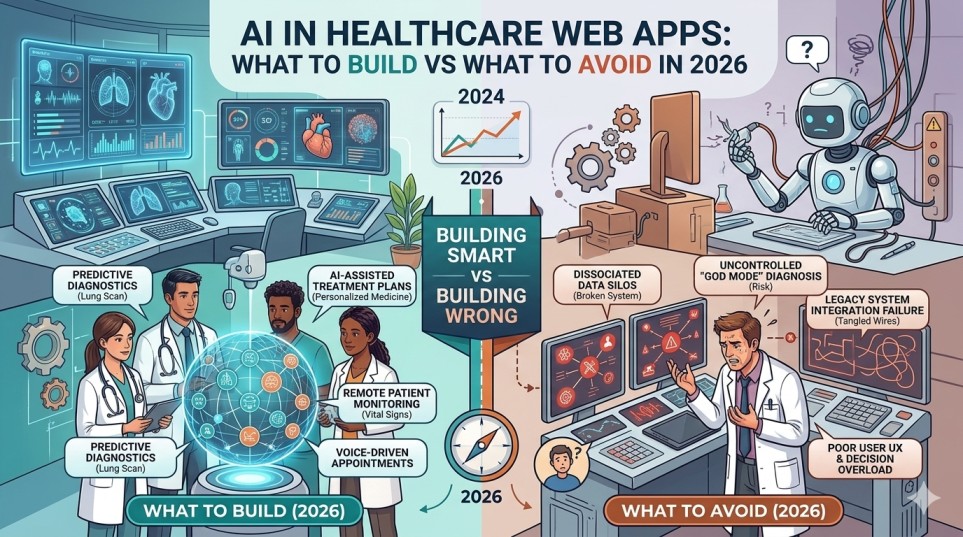
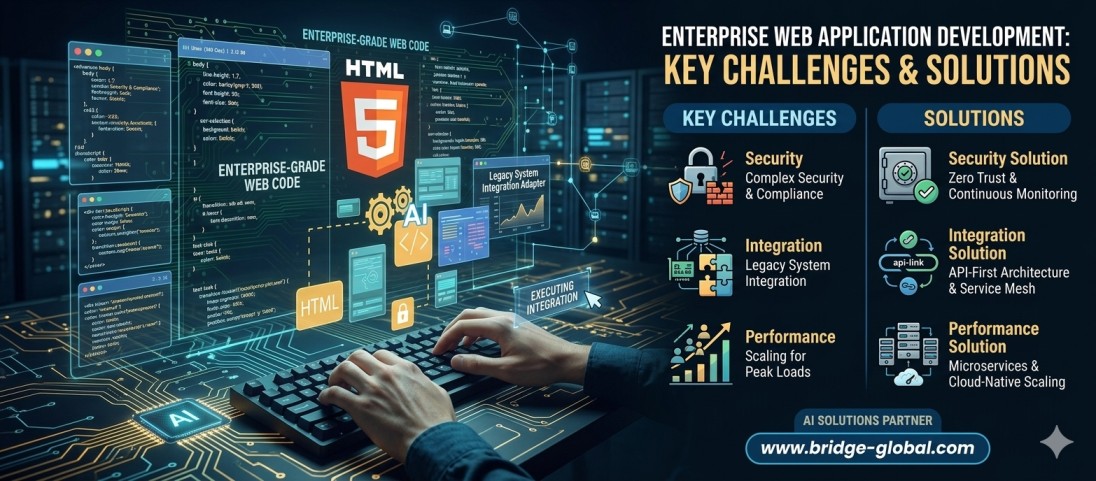
While AI creates new opportunities for digital transformation, it also introduces operational challenges that many enterprises underestimate during early adoption phases. AI-powered applications consume significantly more computational resources than traditional web systems. Real-time inference, intelligent search, vector databases, predictive analytics, and continuous model interactions place substantial pressure on infrastructure environments. Many legacy enterprise systems were never designed for these workloads.
This creates several operational problems for technology leaders, including slower AI integration caused by outdated APIs, reduced AI accuracy due to fragmented data systems, rising cloud costs, deployment delays driven by compliance requirements, and user trust issues caused by latency problems. Cloud spending is becoming another major concern. AI-heavy applications often increase infrastructure consumption significantly as user adoption grows. Enterprises must balance performance, scalability, and operational cost optimization simultaneously.
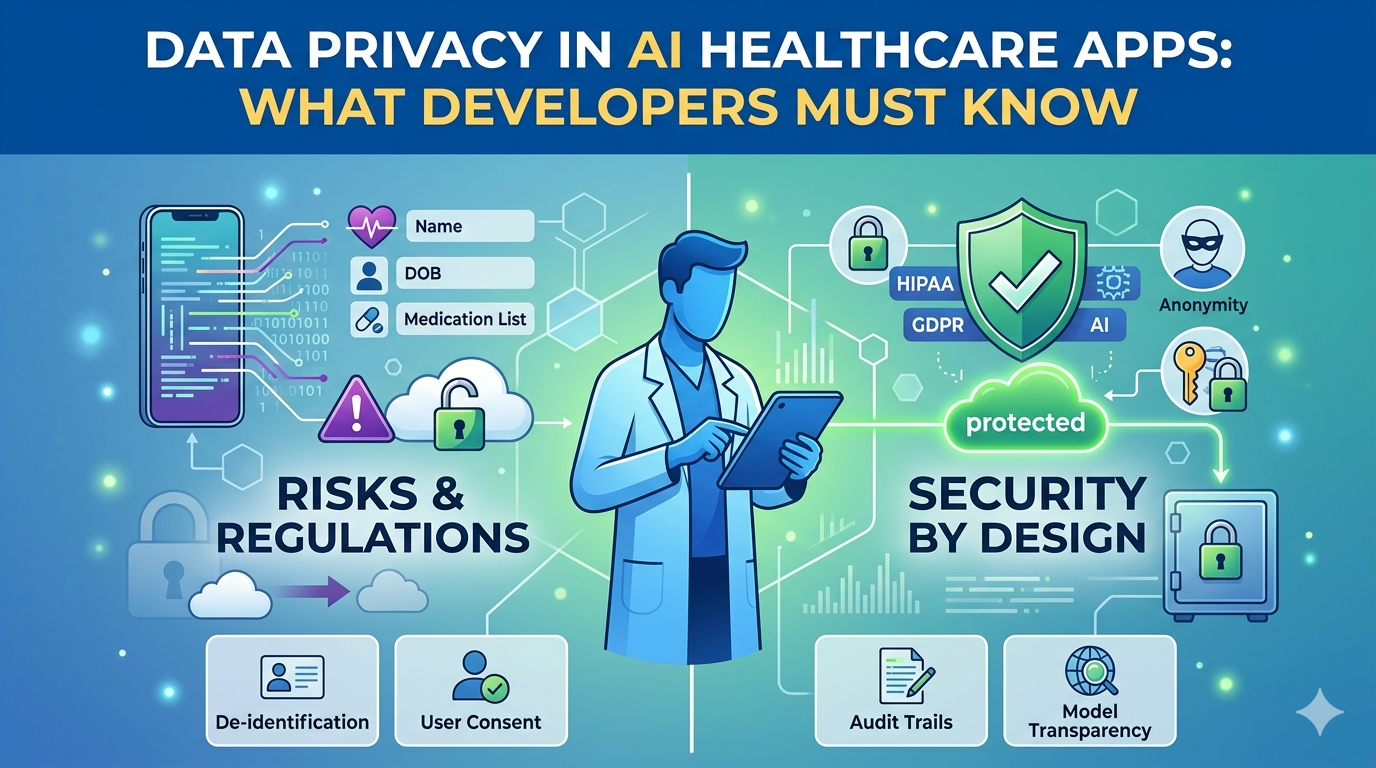
Security and governance challenges are also intensifying. As AI becomes integrated into enterprise platforms, organizations must manage concerns around privacy, explainability, auditability, and compliance. Industries such as healthcare, finance, and insurance face especially strict governance expectations when deploying AI-driven systems at scale. Enterprises can no longer treat governance as a secondary consideration because AI systems continuously interact with sensitive operational and customer data.
This operational reality is changing how enterprises approach modernization initiatives. Instead of launching isolated AI experiments, organizations are increasingly building centralized AI governance frameworks, reusable infrastructure layers, and standardized observability systems across business units. The organizations achieving sustainable AI adoption are typically the ones investing heavily in platform readiness before scaling AI experiences aggressively.
Another growing challenge is integration complexity. Many enterprises operate with fragmented technology ecosystems involving legacy software, hybrid cloud infrastructure, and disconnected databases. AI systems depend heavily on high-quality connected data environments. Without strong integration strategies, AI experiences often become inconsistent or operationally unreliable. This is pushing organizations to rethink enterprise architecture more broadly rather than focusing only on AI feature deployment.
The Future of Web Development Will Be AI-Native
The future of modern web application development is moving toward AI-native ecosystems where intelligence becomes embedded into every layer of the digital experience. This does not mean every application will become fully autonomous. Instead, AI will increasingly automate repetitive workflows, improve personalization, optimize operational efficiency, and support faster decision-making continuously in the background.
For enterprise leaders, the challenge is no longer whether AI matters. Most organizations already recognize its strategic importance. The bigger challenge is building AI-powered platforms that remain scalable, secure, adaptable, and cost-efficient long after deployment. This requires stronger alignment between engineering, cloud infrastructure, UX design, cybersecurity, and digital product strategy.
Organizations that continue treating AI as a short-term feature trend will likely struggle with operational complexity and inconsistent user adoption. Meanwhile, enterprises that approach AI as a long-term platform capability will be better positioned to improve efficiency, customer engagement, and competitive differentiation over time.
Across industries, the conversation is shifting away from AI experimentation and toward operational sustainability. Enterprises increasingly evaluate intelligent platforms based on long-term scalability, resilience, infrastructure maturity, and measurable business impact rather than short-term launch momentum. Technology leaders are beginning to understand that AI success depends as much on platform engineering and operational readiness as it does on model sophistication.
The broader industry lesson is becoming increasingly clear: AI is not replacing web application development. It is redefining the performance standards modern digital platforms are expected to achieve.